By Emmanuel Gamson/ Patricia Dadzie
Effiakuma (W/R), Nov. 04, GNA – The National Petroleum Authority (NPA) has launched its National Consumer Service Week Celebration to deepen public education on the use of Liquefied Petroleum Gas (LPG) in various households across the country.
The Consumer Week Celebration, observed each year by the NPA as part of the Global Consumer Service Week celebration, is to educate the public on their rights and responsibilities on how to safely use petroleum products on the theme: “LPG: Clean Cooking, Healthy Lifestyle”.
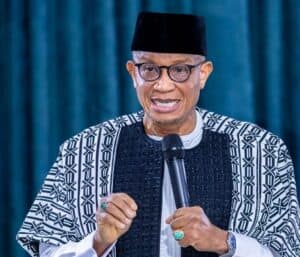
Dr Mustapha Abdul-Hamid, Chief Executive Officer (CEO) of the NPA, speaking at the launch at Effiakuma in Effia-Kwesimintsim Municipality of the Western Region, said LPG was a cleaner burning fuel that provided smoke-free indoor cooking, thereby helping to reduce outdoor and urban air pollution.
He noted that LPG produced 50 per cent less carbon dioxide (CO2) than coal, 20 per cent less CO2 than heating oil and 10 to 12 per cent less CO2 than petrol, making it the most accepted and dependable transition fuel, especially in homes.
According to him, despite its health, environmental, and economic benefits, especially in households, LPG usage in the country was low, saying only about 37 per cent of the citizenry used gas products in their homes.
Dr Abdul-Hamid said: “What this tells us is that a lot more of the consuming public continuously resort to the age-old charcoal or wood fuel method of cooking despite the enormous benefits of LPG, so we must do all we can to address this issue.”
The NPA CEO indicated that a reduction in the use of firewood and charcoal for cooking would greatly decrease the inordinate felling and burning of trees for their production, while reducing the number of harmful substances released into the atmosphere, curbing rapid deforestation and ultimately saving the country’s forest cover.
Nonetheless, he indicated that consumption of LPG had witnessed a considerable increase over the years, saying an average of 228,000 metric tonnes of LPG has been supplied every year from 2010 to date, representing eight per cent of the total average petroleum products supplied to the market.
Dr Abdul-Hamid said the government was, therefore, committed to instituting policies such as the Cylinder Recirculation Model to develop a market-driven structure to ensure safety and increase citizens’ access to LPG to 50 per cent by 2030.
“The Government would also ensure the existence of robust and standard health, safety and environmental practices in the production, marketing and consumption of LPG”, he said.
On safety, he said “What we must also understand is that the LPG-related accidents in our homes are due to a lack of adherence to LPG safety precautions. We at NPA are equally concerned about these incidents hence our focus on safety to intensify public education on the safe use and handling of LPG”.
He advised users to rigorously adhere to safety rules when dealing with LPG from bulk storage haulage, retailing and domestic handling to help reduce such accidents.
Mr Egyapa Mercer, Deputy Minister for Energy, said in line with the government’s National LGP Promotion policy, his Ministry was working assiduously to distribute about two million LPG cookstoves and related accessories to rural and urban households across the country to ensure at least 50 per cent of Ghanaians had access to safe, clean and environmentally friendly LPG by 2030.
He said improving LPG accessibility and affordability was critical to increasing citizens’, especially those in the rural areas interest in moving away from fossil to renewable energy, and called on stakeholders to collaborate and devise strategies to achieve that goal.
Mr Kwabena Okyere Darko-Mensah, Western Regional Minister, encouraged the citizenry to recognize the relevance of clean cooking and a healthy lifestyle with LPG to help achieve the national LPG usage target by 2030.
As part of the week-long consumer service celebration, the NPA would engage various market women, drivers, students, and other interest groups on the need to use LPG and its safe usage through face-to-face engagements and media sensitization across the country.
Originally published by Ghana News Agency. Read original article.