Politics is a noble calling, it is dirty people who make it dirty – Mustapha Hamid

The Chief Executive of the National Petroleum Authority (NPA), Shaykh Dr Mustapha Abdul-Hamid, has challenged the perception of politics as a “dirty” game.

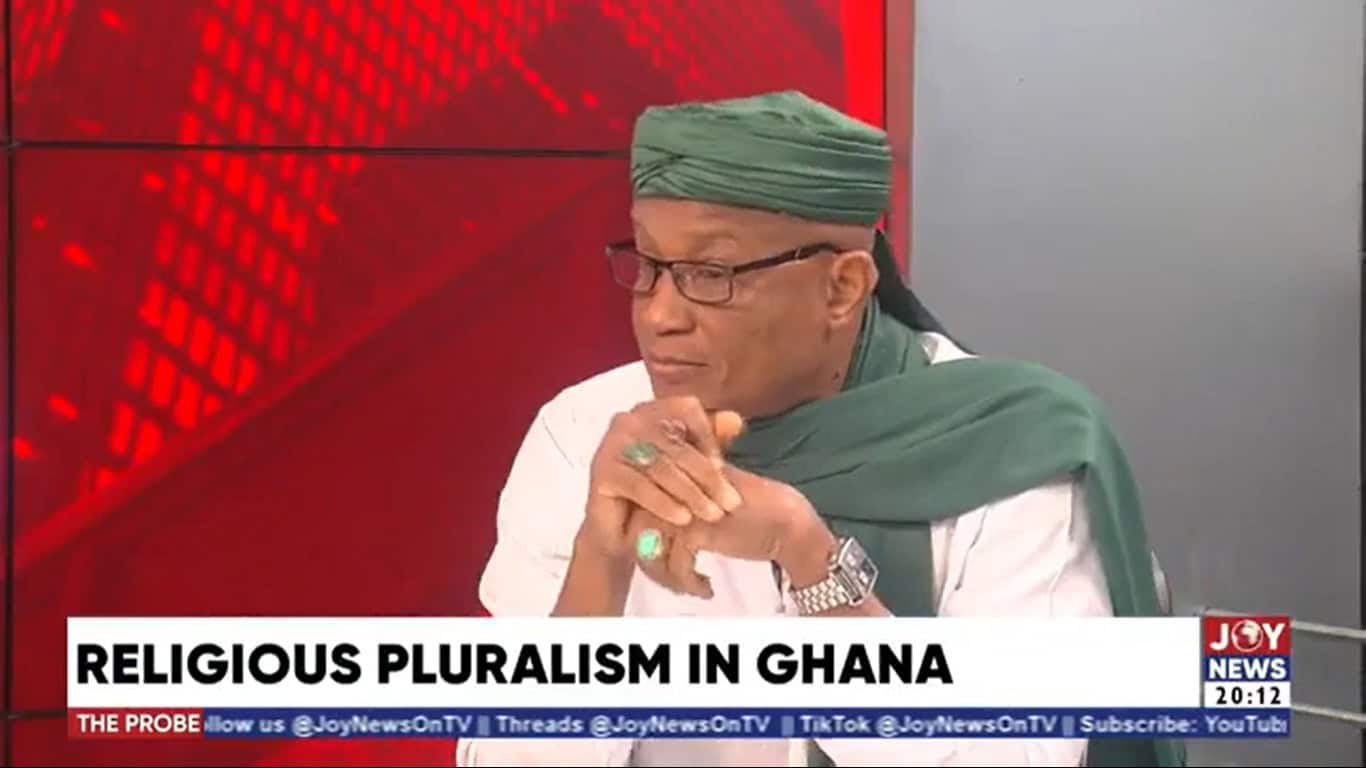
Speaking on JoyNews’ The Probe, Dr Abdul-Hamid emphasised that it is not politics itself but rather individuals who may tarnish its reputation with self-serving actions.

“Politics is not dirty; it is dirty people who make politics dirty. Politics is a noble calling. It is a calling to serve,” he said on Sunday.

Drawing on his religious perspective, the Shaykh highlighted the accountability that comes with political stewardship.

Quoting the Prophet Mohammed, he stated, “Every human being is a shepherd, and on the Day of Judgment, all of us will be asked about that of which we shepherded.”

This, he explained, extends to his responsibilities over various ministries, including the Ministry of Information, Zongo Development, and the National Petroleum Authority.

The NPA CEO subsequently encouraged a positive outlook on the role of religious individuals in politics, noting that those with a sense of accountability to a higher authority are more likely to act with integrity and uphold moral principles.

He emphasised that the conscience and knowledge of being accountable to a higher power guide individuals toward responsible and ethical political conduct.

“For us, religious people should do politics because it is we who believe that we have an account to give on our stewardship on earth,” he told host, Emefa Apawu.

Ghana’s religious pluralism has resurfaced after the Ningo-Prampram MP, Sam George, said the flagbearer of the New Patriotic Party (NPP), Dr Mahamudu Bawumia is a “religious prostitute” and cannot be president of the country.

Scroll to Top

About Shaykh Mustapha Abdul-Hamid Ph.d

Scholar. Public Servant. Communicator. Leader.

Shaykh Mustapha Abdul-Hamid is a distinguished Ghanaian scholar, public servant, communicator, and policy leader whose career has been defined by service, leadership, and national development.

With decades of experience spanning academia, governance, public communication, energy sector leadership, and community engagement, he has consistently contributed to shaping conversations and policies that impact the lives of Ghanaians.

Born in Tamale in the Northern Region of Ghana, Shaykh Mustapha Abdul-Hamid’s educational journey began at Station Experimental Primary School before continuing at Bawku Secondary School and Tamale Secondary School. He later attended the University of Cape Coast, where he pursued Religious Studies and went on to earn both an MPhil and PhD.

As an academic and lecturer, he dedicated years to teaching, research, mentorship, and intellectual engagement, with particular interests in religion, society, leadership, and public discourse. His commitment to education and youth empowerment continues to influence his work and vision for national development.

Over the years, Shaykh Mustapha Abdul-Hamid has served Ghana in several strategic leadership positions. He served as Minister for Information, where he played a central role in communicating government policy and strengthening public engagement. He also served as Minister for Inner City and Zongo Development, helping advance initiatives focused on inclusion, infrastructure, and opportunity for underserved communities.

In the energy sector, he served as Chief Executive of the National Petroleum Authority (NPA), where he contributed to policy direction, regulatory oversight, and institutional leadership within Ghana’s downstream petroleum industry. His leadership and expertise later earned him election as President of the African Refiners and Distributors Association (ARDA), a continental body representing stakeholders within Africa’s refining and downstream petroleum sectors.

Beyond public office, Shaykh Mustapha Abdul-Hamid remains deeply committed to mentorship, youth development, education, leadership, and national transformation. His philosophy of leadership is rooted in service, integrity, discipline, and the belief that meaningful progress must create opportunities for all people, especially the younger generation.

Throughout his journey, he has remained passionate about building stronger institutions, empowering communities, encouraging dialogue, and contributing to a more prosperous and united Ghana.

“Leadership must create opportunities that improve lives and inspire future generations.”
— Shaykh Mustapha Abdul-Hamid